Effective Calculus Removal: Dentist's Guide for Healthy Teeth
- Harkirat Aulakh
- Mar 2
- 7 min read

The Role of Calculus in Dental Health
Dental health is crucial for overall well-being. Yet, many overlook the role of calculus in oral hygiene.
Calculus, also known as tartar, is hardened plaque. It forms on teeth and can lead to serious dental issues.
Regular teeth cleaning is essential to remove calculus. Without it, calculus can cause gum disease and other problems.
Gum disease, such as gingivitis, is linked to calculus buildup. It can lead to inflammation and even tooth loss.
Professional dental care is necessary to manage calculus. Dentists use special tools to remove it safely.
Good oral hygiene practices can prevent plaque from turning into calculus. Brushing and flossing are key habits.
Understanding calculus helps in maintaining dental health. It motivates better oral care routines and regular dentist visits.
This article explores the impact of calculus on dental health. Learn how to prevent and manage it effectively.
What Is Dental Calculus?
Dental calculus is a common yet often misunderstood dental issue. Known scientifically as tartar, it is essentially hardened plaque.
When plaque isn't removed, it can calcify and turn into calculus. This occurs both above and below the gum line.
Calculus isn't just a cosmetic problem; it can lead to severe dental health issues. Unlike plaque, calculus is not removable with regular brushing.
Once calculus forms, professional intervention is required. It acts as a breeding ground for harmful bacteria.
Key Characteristics of Dental Calculus:
Color: Typically yellow or brownish
Texture: Rough and hard
Location: Forms above and beneath the gum line
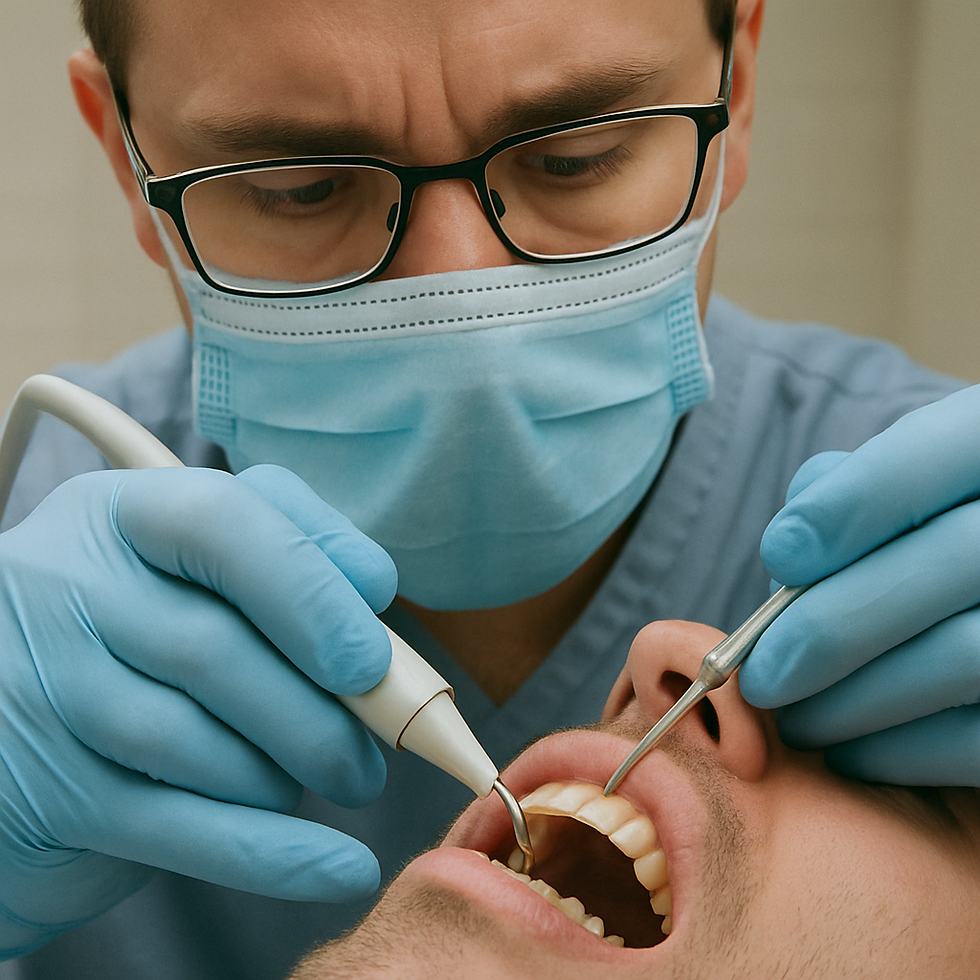
Dental calculus is tough and cannot be brushed away at home. Dentists use specific tools to remove it during a professional cleaning session.
How Does Calculus Form on Teeth?
The formation of dental calculus begins with plaque. Plaque is a sticky film of bacteria constantly forming on teeth.
If not removed, plaque hardens over time. This process can take several days.
Minerals in saliva interact with plaque and trigger calcification. Once hardened, removing calculus without professional help is impossible.
Certain factors can accelerate calculus formation. Poor oral hygiene, smoking, and diet play significant roles.
Factors Contributing to Calculus Formation:
Neglected oral hygiene
High-sugar diet
Smoking habits
Irregular dental visits
Some spots, like between teeth, are more prone to calculus because they are harder to clean. Therefore, daily brushing and flossing are critical to preventing formation.
Professional cleanings help identify and remove calculus early. Once it forms, its rough texture provides a perfect environment for more plaque accumulation.

The Difference Between Plaque and Calculus
Many people confuse plaque with calculus, but they are distinct. Plaque is soft and sticky, while calculus is hard and rough.
Plaque forms daily and houses bacteria. It's removable by daily brushing and flossing. However, once it hardens, it becomes calculus.
Calculus, also known as tartar, cannot be removed at home. It requires a dentist's expertise to eliminate. This distinction is crucial for dental care.
Key Differences:
Texture: Plaque is soft; calculus is hard
Removal: Plaque is easy to remove; calculus needs a dentist
Composition: Both contain bacteria, but calculus includes minerals
These differences significantly affect oral health. Calculus can exacerbate issues like gum disease, unlike plaque, which is manageable with good hygiene practices.
Understanding these distinctions helps you focus on prevention, knowing early intervention leads to better oral health outcomes.
Why Is Calculus Harmful to Dental Health?
Calculus poses a significant threat to dental health. When plaque hardens into calculus, it becomes a stubborn problem. It creates a breeding ground for harmful bacteria.
Once calculus forms, these bacteria are more protected and thrive. This can lead to inflammation of the gums, known as gingivitis.
If left untreated, calculus can cause more severe problems. Gingivitis can develop into periodontitis, a severe gum disease. This may eventually lead to tooth loss and affect overall health.
Apart from gum disease, calculus affects teeth aesthetics. It causes discoloration and may lead to persistent bad breath.
Calculus Effects:
Gum inflammation
Progression to periodontitis
Tooth discoloration
Bad breath
These issues underline the importance of regular dental check-ups. Professional removal of calculus is essential to prevent these complications.
Be proactive in addressing calculus. Prioritizing dental visits can help maintain healthy gums and teeth.
Calculus and Gum Disease: The Connection
The link between calculus and gum disease is well-documented in dental care. When calculus forms, it acts as an irritant to gums. This irritation often results in redness and swelling.
Calculus is not just an aesthetic issue. It is a serious health concern. The bacteria sheltering in calculus can create a persistent state of inflammation.
Over time, this inflammation can progress into gum disease. Gum disease comes in two primary forms: gingivitis and periodontitis. Both are linked to calculus buildup.
Gingivitis is a mild form of gum disease. It causes gums to become red and swollen, and they may bleed easily. However, it is usually reversible with proper dental care.
Stages of Gum Disease Linked to Calculus:
Gingivitis: Mild gum inflammation
Periodontitis: Severe gum disease
Periodontitis, the advanced stage, affects deeper tissues and bone. Treatment is more complex and may involve surgical procedures. Therefore, addressing calculus early is essential in preventing severe gum disease.
Monitoring and professional cleanings are vital for gum health. With regular care, severe complications can often be avoided.
Signs and Symptoms of Calculus Buildup
Calculus buildup on teeth can present noticeable symptoms. One common sign is persistent bad breath. This occurs because bacteria thrive in the rough texture of calculus.
Another symptom to watch for is gum irritation. Irritated gums can become red and may bleed during brushing or flossing. This bleeding should not be ignored.
Over time, calculus can cause visible changes in teeth. Discoloration often appears as a yellow or brownish tint. This cannot be removed by simple brushing.
Common Signs of Calculus Buildup:
Persistent bad breath
Gum irritation and bleeding
Tooth discoloration
In some cases, teeth may begin to feel more sensitive. This sensitivity is often due to the erosion of the enamel and exposure of the tooth root. Recognizing these signs early is crucial.
Early detection and intervention can prevent the progression to more severe dental issues. Regular dental visits aid in monitoring these symptoms effectively.

How Dentists Remove Calculus: Professional Teeth Cleaning
Dentists use specialized techniques to effectively remove dental calculus. A key method employed is professional teeth cleaning. This process involves a few precise steps.
The first step is scaling. Dentists use special tools to gently remove calculus from the surface of teeth. This includes areas above and below the gum line.
After scaling, polishing is performed. Polishing not only smoothes the tooth surface but also removes stains. This step aids in preventing future plaque buildup.
Steps in Professional Teeth Cleaning:
Scaling to remove tartar
Polishing for smooth, clean teeth
Fluoride treatment for added protection
A fluoride treatment may follow polishing. Fluoride strengthens tooth enamel and protects against decay. This final step helps maintain overall dental health.
Regular professional teeth cleaning is crucial for healthy gums and teeth. It prevents calculus from hardening further and reduces the risk of gum disease. Visiting the dentist every six months is usually advised for optimal care.
Preventing Calculus: Daily Dental Care Tips
Preventing dental calculus starts with good daily habits. Effective oral care can minimize the risk of plaque hardening into calculus. Following simple yet effective strategies is essential for dental health.
Brushing your teeth twice daily with fluoride toothpaste is vital. Use a toothbrush with soft bristles, and replace it every three months. Brushing in circular motions can effectively remove plaque.
Flossing is equally important. It removes food particles and plaque between teeth that brushing misses. Doing this daily is a critical step in calculus prevention.
Daily Dental Care Tips:
Brush with fluoride toothpaste twice daily
Floss between teeth daily
Use an antiseptic mouthwash for added protection
An antiseptic mouthwash can provide additional support. Rinsing with mouthwash helps reduce bacteria in the mouth. It's a valuable part of any oral hygiene routine.
Routine dental visits for check-ups and cleanings ensure professional care. Dentists can detect early signs of calculus and remove it efficiently. Consistent dental visits are a cornerstone of lasting oral health.
The Role of Diet and Lifestyle in Calculus Formation
Diet significantly impacts plaque and calculus development. Consuming sugary or starchy foods fuels bacteria, increasing plaque. Consequently, reducing such foods can help control plaque buildup.
Incorporating fruits and vegetables into your diet benefits oral health. These foods stimulate saliva production, which helps wash away food particles. Saliva is a natural defender against plaque and calculus.
Hydration also plays a crucial role. Drinking water regularly keeps your mouth moist and rinses away food debris. It also supports healthy saliva production, aiding in calculus prevention.
Lifestyle Tips for Healthy Teeth:
Limit sugary and starchy foods
Include fruits and vegetables in your meals
Stay hydrated by drinking plenty of water
Lifestyle choices, such as smoking, can increase calculus risk. Smoking reduces saliva flow and affects gum health. Avoiding tobacco supports a healthier mouth and reduces calculus formation.
Calculus in Special Populations: Children, Seniors, and Orthodontic Patients
Children often face unique challenges with calculus due to inconsistent brushing habits. Early education on oral hygiene can help prevent plaque and calculus. Encouraging regular dental visits is also essential for children's dental care.
Seniors may experience increased calculus buildup due to age-related changes. Reduced saliva production and medication use can exacerbate this issue. Dental care for seniors should focus on regular cleanings and attentive daily practices.
Orthodontic patients are at a higher risk of calculus due to braces or other appliances. These devices create spaces where food particles can hide. Meticulous cleaning techniques are vital for maintaining healthy teeth and gums.
Key Dental Care Tips for Special Populations:
Educate children early on oral hygiene
Regular dental visits for children and seniors
Detailed cleaning methods for orthodontic patients
Tailored dental care plans can address the specific needs of these groups. Understanding each population's challenges ensures better dental health outcomes.
Frequently Asked Questions About Calculus and Dental Care
What is dental calculus?
Dental calculus, also called tartar, is hardened plaque that forms on your teeth. It can develop both above and below the gum line. Unlike plaque, calculus cannot be removed by regular brushing alone.
How does calculus affect my teeth?
Calculus creates a rough surface on your teeth, attracting more plaque. This can lead to gum irritation, inflammation, and even gum disease. Professional dental cleanings are essential to remove it effectively.
Can I prevent calculus from forming?
Yes, you can take steps to minimize calculus formation. Here are some key practices:
Brush twice daily with fluoride toothpaste
Floss daily to reach between teeth
Maintain regular dental checkups
Is calculus removal painful?
The process of removing calculus, known as scaling, is usually painless. Dentists use specialized tools to ensure safety and comfort. Local anesthesia may be used for sensitive patients.
Regular dental care and knowledge about calculus can empower you to maintain a healthy smile. Your dentist can provide personalized advice during routine visits.
Conclusion: Taking Charge of Your Dental Health
Understanding the role of calculus is vital for maintaining oral health. Regular dental visits, coupled with good oral hygiene, can prevent the buildup of calculus. By being proactive, you ensure healthier teeth and gums.
Taking steps to prevent calculus also helps in avoiding more serious dental issues. Commitment to daily oral care and professional cleanings empowers you. Prioritize your dental health today for a brighter and healthier smile tomorrow.


Great insights on how calculus impacts oral health and why professional cleanings are so important. This is a helpful reminder for parents to stay consistent with kids’ dental care. Visiting a Pediatric Dentist in Corona, CA regularly can make a big difference in preventing buildup and keeping young smiles healthy!